Mosquitoes, Motorcycles, and Moving Trucks: 2025 in Review

Time flies, but some mornings it seems stopped. We’ve been chasing that stillness all year—in the rustle of vineyard leaves, in the quiet of a small Arlington apartment, in the sacred pause of a Christmas season stripped down to its essence.

But adventure, as Andrew likes to say, is just hardship in the past tense. January brought dengue fever to both Liam and Clara—a frightening stretch of high fevers and hospital visits. They recovered, and we exhaled. Then in April, Andrew came down with chikungunya, another mosquito-borne gift that left him exhausted and aching for weeks. The tropics give generously, but they also exact a price.

Liam and Clara getting treated for dengue fever at the embassy health clinic

April also brought Andrew’s parents, Larry and Lisa, to visit us in Colombo. Showing them our Sri Lankan life—the embassy, our neighborhood, the places we’d come to love—felt like a gift in both directions. They saw the world we’d built there; we got to share it with people who love us. It was a sweet prelude to the summer ahead.

Saying goodbye to U.S. Embassy Sri Lanka

We left Sri Lanka in July. Two years of diplomatic life in Colombo—trade negotiations, energy deals, cybersecurity policy, and the daily work of representing America abroad—packed into suitcases and shipped to a storage container in Singapore. Liam graduated from high school at the Overseas School of Colombo, adding celebration to an already emotional departure. The Foreign Service calls this a PCS, a Permanent Change of Station, though nothing about this life feels permanent. What felt permanent was saying goodbye: to colleagues who had become friends, to a rhythm of work we loved, to the island nation we’d grown to call home.

But leaving opens doors. Ours opened first onto Singapore, where we spent five days in that gleaming city-state fulfilling Andrew’s long-held dream of sharing it with his family. The highlight came in a music studio belonging to our friend Tony, where we met Qing Lun, a master of the Chinese flute. Somewhere in the middle of the evening, world-class musicians and enthusiastic beginners found ourselves playing Hotel California together—rock guitar and bass, drums, and traditional Chinese flute weaving through that familiar melody. It was messy. It was beautiful. It was unexpected and full of grace. East meeting West in a song about a place you can never leave—a fitting anthem for a family perpetually arriving and departing.

July 4, 2025 – we arrived in the United States after completing our tour of duty in Sri Lanka

We landed in America on the Fourth of July. Andrew’s parents, Larry and Lisa, met us at San Francisco International and drove us directly to In-N-Out Burger. The prodigal son treatment continued all summer as they opened their vineyard-surrounded home in Lodi to our family of six. They cooked for us, lent us vehicles, took us camping at Lake Tahoe, and made memories with our children that will outlast us all.

The summer held sweetness and sorrow in equal measure. Andrew’s grandmother, Vinita Mae Shinn, took her leave this summer. We weren’t able to attend her funeral—training schedules in Arlington made that impossible—but we were granted the grace of saying goodbye before she passed. In a life where we’ve missed the deaths of several treasured relatives while overseas, being present for those final conversations was a gift we don’t take for granted.

The kids experienced their first American pro baseball game (go Angels!) and a full week at Disneyland—a magical stretch of family time made even sweeter by Lisa’s parents, Brad and Mary Fast, who joined us for part of the adventure. But for Andrew, the summer’s highlight was riding to the winery with his father’s first grape loads of the harvest season. Larry drove grape trucks as a child, his blond head barely visible above the steering wheel. Now retired from teaching, he drives a truck with “Shinn Farms” on the door, hauling grapes harvested by Andrew’s brother Aaron. Andrew rode along, watching the sticky grape mist rise and coat everything it touched, talking with the winery loadmaster about immigration and citizenship and children heading off to university. Those moments of harvest communion—the same ones Larry remembers from his own childhood—won’t last forever. Industries change. Fathers age. We all take our last load one day. This year’s ride was a fleeting privilege, and Andrew knows it.

In late August, we loaded into the family vehicle and drove east across America. The landscape shifted from California gold to Idaho green to Minnesota lakes to Ohio hills to Virginia suburbs. We listened to audiobooks and podcasts together, stopped to see family and old friends, and admired the breadth of the country we represent. In Park Rapids, Minnesota, we visited Tim and Rachel, who once worked at Shinn Photography and now valiantly run their own small business, the Park Theater. They welcomed us with grace and a special movie screening—a reminder that small businesses like theirs are the backbone of the American economy, and that the friendships forged in work can outlast the work itself.

After sleeping in guest rooms, on couches, in sleeping bags, and in hotels, we arrived in Arlington ready to stay put for a while.

Our Arlington apartment is small. Most of our possessions sit in that Singapore storage container, waiting to reunite with us in China next year. But small has its graces. We’re together. We’re learning what we really need. And we’re reconnecting with dear friends from many places who find themselves in the Washington area at the same time—one of the unexpected gifts of a city where so many paths cross. Lisa’s parents, Brad and Mary Fast, have also made the trip to visit us, filling our small space with warmth and reminding us that home is less about square footage than about the people who show up.

Andrew is back at the Foreign Service Institute for Chinese language training—his second round, this time in accelerated courses for officers with previous study. The training is going well, with warm teachers who hold high standards. The government shutdown complicated things: for almost two months, Congress’s failure to appropriate funds meant no paychecks and no formal classes. Andrew spent that uncertain season doing self-study and teaching Chinese classes at the Arlington Public Library for other stranded students. He became a teacher, not just a student. It was okay in the end, but living without pay while the political machinery ground to a halt was its own kind of hard.

The children are each navigating their own transitions. Liam is taking general education courses online through Foothill College in California, adjusting to college-level work while looking for new plans in the spring. His volleyball skills have accelerated dramatically—he’s put on muscle, dropped weight, and developed a vertical leap that genuinely impresses. He and Clara play together at parks and rec centers around Arlington, and watching them has been a quiet joy.

Clara is doing something genuinely difficult: spending her junior year at an American public school after years in international schools overseas. Washington-Liberty High School is a different world from the Overseas School of Colombo, but if anyone can handle it, it’s Clara. She served as team manager for the volleyball team and continues to display her remarkable gift for adapting to change. Next year she’ll complete her senior year at Western Academy of Beijing—another transition, another chance to show her flexibility.

Lisa is homeschooling Caleb and Joshua this year, using the extraordinary resources available in the Washington area. They visit museums weekly, spend most days at the Arlington Public Library, and are getting exactly what they need from a mother who is also an exceptionally capable teacher. Lisa isn’t doing any outside work this year—she’s spending her energy holding this family together through a season of significant transition. It’s unglamorous, essential work, and she does it with grace.

The week of Thanksgiving brought us to Children’s National Hospital for Joshua’s kidney surgery—addressing an issue that had been worsening for several years. The surgery went well. We feel blessed to be in Washington this year, with access to world-class medical care for something like this. Joshua’s recovery has been tough, but he’s also pretty tough. We’re grateful.

We’ve found a church home at Passion City in DC. Clara and Caleb attend Passion Students weekly, and both went on the fall retreat. We know we’re only here for a year, so we’re not engaging too deeply in the community. But the teaching is solid, and we’re grateful for a place to worship.

Christmas this year is simple. Our tree is a twelve-inch fake model from Ikea, decorated with hand-strung popcorn and cranberries. Lisa packed our stockings but not much else—there’s no point accumulating things we can’t ship to China. We’re making up for the lack of material Christmas by watching movies together and simply being present with each other. It turns out that’s more than enough.

Next summer we’ll leave again—flying to Beijing for a year of intensive in-country language study before Andrew starts his next diplomatic assignment in 2027. Clara will finish high school at Western Academy of Beijing. Caleb and Joshua will start there too. Lisa will continue doing what she does: making a home wherever we land, holding us together, turning temporary into something that feels like belonging.

There’s a lot ahead of us. But for now, we’re watching the winter light through our apartment windows and treasuring this pause. We know that everyone reading this letter has walked through their own hard things this year. That’s part of doing life together, and we’re grateful to walk through it with you.

From our small apartment to wherever you are: Merry Christmas. May your season hold unexpected grace, sacred stillness, and the people you love.

With love,

The Shinns

Andrew, Lisa, Liam, Clara, Caleb & Joshua

Visiting USCGC Douglas Munro/SLNS Vjayabahu

25 years ago this summer, I swore an oath of enlistment to protect and defend the Constitution of the United States from all enemies, foreign and domestic. I swore this oath on the flight deck of the US Coast Guard Cutter Douglas Munro at Coast Guard island in Alameda, CA.

I finished my enlistment honorably in 2005. The Douglas Munro, named for the Coast Guard’s only Medal of Honor recipient, finished her term honorably in 2021. But neither of us was finished serving. For me, further service meant swearing another oath to defend the Constitution on May 26, 2020, while joining the U.S. Foreign Service as a diplomat. For the Douglas Munro, further service involved a transfer to the Sri Lankan Navy and a rechristening as the SLNS Vijayabahu. The new name is in honor of one of Sri Lanka’s ancient kings, and represents vision and service.

In June 2025, the current crew of the Vijayabahu welcomed our family aboard. They expressed deep thankfulness to the people of the United States for the ship, and are honored to keep serving in the tradition of the U.S. Coastguardmen who sailed before them. All over the ship, there are mementos and markers, signs of the former American crew. The Sri Lankan sailors even enjoy watching deployment videos from the previous crew. Incredibly, the officers told me these videos, meant to help remember good work and good times, are lessons in organizational culture and management practices.

The Munro/Vijayabahu is in good hands. The Coast Guardsmen who sailed her can be proud of her continuing legacy.

Shaanxi Adventures, Day 5

Waking up in luxury, I decided to rest most of the day and make plans.  Most importantly, I’d run out of clean clothes and needed to wash a few things before I could go anywhere.  By late afternoon I’d had a chance to rest and I had some clean togs to wear – I was ready to hit the town.  By then, I’d found out the bad news that there were no tickets for the next day to see the Terra Cotta warriors.  I’ve been very anxious to see them – they were my main reason for coming to XiAn.  But no matter, there are plenty of other things to see and experience here.  And eat.

So I ventured out into the pre-evening with a successful taxi ride (no drama!) to Muslim Food Street.  I hadn’t done any research into this place before I arrived, so I had no idea what I was in for.   Turns out I was in for rather a lot.  From entry to exit, my fitness tracker counter almost 4 miles, and all of it was pushing through VERY crowded streets.  Food ‘street’ is really more of a walking food district, and it was packed to the gills with people.  

XiAn’s most famous food is Biang Biang Mian.  I’ve become a big fan of the belt noodles, served with oil and meat, from a restaurant near my work in Beijing.  I was excited to come here to the origin of the famous dish and eat the food represented by the most complex Chinese character (shown below).

Biang (regular script).svg

I picked a restaurant because of the presence of a large ‘biang’ character on the sign out front.  The restaurant was greasy, crowded, and high-paced.  The food was relatively expensive, but I was happy to pay the price.  This was clearly a restaurant made for tourists.  No matter – I ordered the Biang Biang Mian with beef and waited for my order.  I took the only open table in the restaurant, sitting next to a large family who was clearly visiting elsewhere on a family vacation.  They were thrilled to meet me, and we struck up the normal conversation: Which country are you from? Can you speak Chinese? Ah, your Chinese is so good! (There are a good many taxi drivers who would disagree with you, I thought.)  Can we take a picture with you and our children?  I happily engaged this family, continuing my one-man mission to spread friendship between the people of China and the people of the United States.

This conversation would repeat so many times in subsequent days that I’ll create a separate  blog post to cover it.

One of the brilliant things I saw, both in PingYao and XiAn, was foot massage stores in the middle of these high-traffic tourist areas.  China is great for massage in general, it being a part of general health maintenance in Chinese medicine.  But the particular placement of these stores was genius – every tourist area in the world should incorporate this.  Disney, please consider it!

After eating, I continued walking down the street until I saw a massive dragon emerging from the mist, and heard the sound of drums banging.  I bravely walked toward the monster’s jaws, then disappeared under them into the mist.  I was in a cave, with light down a short tunnel.  I followed the light and found an empress sitting on her throne, her imperious gaze looking out over shoppers, selecting jewelry and knick-knacks.  I’d just found one of the world’s coolest store entrances, but the end of the journey left me feeling a bit like Ralphie from A Christmas Story when he decoded his message from the Little Orphan Annie Secret Society: “Drink More Ovaltine? A crummy commercial?” I passed up the opportunity to buy some beautiful hand-hammered travel mugs and wandered out of the store and into the street, where the fading light of day was being replaced by the glitzy, commercial light of neon signs.  Further down the street I would find several more such store entrances.  I wondered which one was first, and how they’d felt when others had imitated their success.

I bought an ice cream, which turned out to be based on coconut milk, and delicious.  I meandered around the corner into a less-crowded side street to eat it and accidentally set up my own photo booth.  Freed from the press of the crowds and more visible standing alone, I attracted a line of mothers, bringing me their children for photos and to show off their English skills.  I had to work to maintain my smile – I wanted to be eating that delicious coconut ice cream.  But when duty calls, it doesn’t wait.  

Finishing the photo line, I made a quick departure further down the side street to a less-visible place, where I attracted the other kind of insta-friend: young or middle aged men who wanted to share a cigarette and chat.  Silently thankful for my foolish youthful experimentation with cigarettes, I accepted.  Chinese cigarettes (or at least the kind I’ve been offered) are very thin, sweet, and burn quickly.  This makes for mercifully brief smoking experiences and concomitantly brief conversations.

As I was finishing both, I looked up and noticed where I was: standing in front of the local ministry of justice building.  I also saw a rather serious-looking man staring hard at me, probably wondering why I was  there with a camera.  As I quickly made my exit, I saw him urgently ushing people into the building.  I’m not sure what was happening there; once again I find myself with more questions than answers.  In that moment I realized again my ignorance of this society, and the years it could take to penetrate the bamboo curtain of language and culture to build true mutual understanding.

My wandering continued, and I resolved to walk this district until I came to its end.  I took photos, focusing largely on people.  People working are especially interesting to me during this type of observation, and it probably shows in the picutres I chose to make.  Also, they’re often standing in one place, and frequently in pools of good light.  Patience is required is to wait for a gesture that typifies their skill, activity, or character.

As I explored the extent of the district, I noticed a change in the place’s character.  It became more local and less touristy, and very slightly less crowded.  Finally, a street dumped me out on a main thoroughfare.  I was out of the walking streets and back into the modern city.  I decided to walk the 45 minutes back to my hotel and call it a night.

*Linguistic note: The name of the city XiAn is often spelled with an apostrophe between the first set of two letters and the second set (Xi’An).  This is a concession to clarify in Pinyin and Roman characters; in Chinese, the word is a clean two character set, one for Xi and one for An.  The confusion arises from the fact that there are also a few characters with the sound xian, pronounced as a single syllable.  I’ve chosen to render it XiAn, with capitals representing where the second character pronunciation starts.  I’ve chosen this because other Chinese words don’t often rely on the apostrophe to make the Pinyin work – it seems more respectful to the language.

Shanxi Adventures: Day 3

I wasn’t certain where one finds breakfast in a place like PingYao, so I asked the guest house hostess.  She pointed me toward the concierge (the guy who had picked me up the day before, whose lack of teeth did nothing to diminish the beauty of his smile).  He dragged me next door to a small, simple restaurant.  It seemed to be a mom and pop affair.  The pop did the cooking, and the mom did the sales and service.  She was a short, round-faced woman who seemed to be perpetually offering people hard boiled eggs.  I paid careful attention to the other customers.  They used the word for “boss” (lao ban, literally old shift leader) instead of the word for “server” (fu wu yuan, literally service person) when referring to her.  I did the same, and she did, indeed, seem to command this space.

I asked about coffee, and the lao ban just grunted at me.  No coffee here.  I ordered a plate of beef baozi and some tea.  The baozi appeared immediately.  The concierge from next door, who was still hanging around and hopefully got a kickback of some kind for bringing guests here, helpfully brought me some vinegar and hot oil to mix together for baozi-dipping.  I had no idea how much vinegar I would see over the next 24 hours.  The baozi were delicious – perfectly steamed dough on the outside, and a mix of beef and spices on the inside.  I learned later in the day that vinegar is a specialty of this area.  It was, indeed, very good vinegar.  And it complemented the baozi perfectly.

When the tea arrived, it was not what I expected.  It was something called ‘you cha’, which might or might not mean ‘oil tea’.  It was liquid, but that’s where the similarity with other teas ended.  It was served in a bowl with a spoon.  And instead of being a transparent liquid, it seemed more akin to a very thin oatmeal or gruel.  There were seeds of some kind floating in it, and it was lightly sweetened.  Whatever it was, it was delicious.  It was the perfect fuel for exploring PingYao.

PingYao is a prime Chinese tourist destination.  It was packed wall to wall with tourists, mostly family groups enjoying the New Year holiday together.  It was clear from observing the crowds that, in the minds of the Chinese people, the pandemic is over.  Most people were still wearing masks, but that might have been as much a sensible protection from the bitter cold as a matter of infection control.  People didn’t seem nervous about taking off their masks to eat at the many walk-up food stalls clustered along the main streets of PingYao.  Cars and bicycles aren’t allowed in the heart of the old city, making it a friendly walking venue.  

The city is packed with gift shops, food stalls, restaurant, karaoke bars, museums, and vinegar shops.  At night, walking down the streets of the old with with red Chinese lanterns hung all around is a magical experience.  I could tell that my fellow Chinese tourists felt the same way by the frequency with which they pulled out their cell phones to snap pictures and record the experience.  Pairs of young women posed for ultra-cute snaps to share on their social media accounts.  The influencer phenomenon, it seems, knows no geographic bounds.

I walked by, and eventually into, a vinegar museum.  These seem to be everywhere in PingYao.  I later stopped into a second and third vinegar shop.  I tried some sweet apple-based vinegars, and was able to easily taste the difference between 5-year-aged vinegar and 10-year-aged vinegar.  I was sad thinking that I wouldn’t be able to safely transport any vinegar home, so I didn’t buy any.  This ended up being a good decision for reasons that will be apparent later.

PingYao is also apparently famous for its beef.  History (or legend)  records that the empress Cixi was traveling in the area centuries ago and really enjoyed some PingYao beef.  There is now a PingYao beef museum lauding the qualities of this famous dish.  The only beef I tried was chwar from a street vendor.  It was pretty decent.

Everywhere I go, people notice my foreignness.  Many people try to alert the people they’re with, and I hear whispers of (wai guo ren, or outside country person) everywhere I go.  Many people eschew the politeness and just openly point, some staring in slack-jawed amazement.   I didn’t understand this very well until I saw a blonde-headed woman walking through a train station.  It was a jarring sight, and my first instinct was also to wonder, “What is she doing here?”  Children tend to shout “wai-guo-ren” pretty frequently.  In all cases, I smile, make eye contact, and use a word of confirmation that means “it is”.  Many people ask to take a picture with me, a request that I always treat like an honor.  I will often ask if they can take a picture with my phone, as well.  I want people to know that I’m as honored to meet them as they are to meet me.  I know that if it’s the first time people are exposed to a foreigner, the way I act will forever color their impressions of the United States.  This is people-to-people diplomacy in the most literal, tangible sense.  I may be off the clock, but I’m never off the job.  

PingYao only increased in beauty with the coming of evening.  I spent long hours just wandering the streets, taking pictures and observing.  I racked up an outrageous step count on my FitBit.  As the evening drew on, I wandered down dark alleys just to see where they go.  At one point, I saw a hulking shape in the darkness ahead of me.  It was the only time I’ve been frightened while traveling solo in China.  The shape turned out to be my own shadow.  Many of the dark alleys, it turns out, contain guest houses like the one in which I stayed.

I only had a few hours ahead of me in PingYao, so I headed back to rest up and download photos.

Shanxi Adventures: Day 1

Solo travel in China has been fascinating.  I’m not too far out of Beijing but I’m far enough that I’m meeting many people who appear never to have seen a foreigner before.

Today is the first day of the Lunar New Year, so most Chinese people are recovering from late-night celebrations with their families.  Because of this, I despaired of finding a taxi for the long cross-town trek to Fengtai train station, especially at 5:30 am.  Even the ride-sharing services, at all other times ubiquitous, were not guaranteed.  Enter Mr. Wang.  I texted him the night before, on New Year’s Eve.  He checked with his network of drivers – none of them was willing to be away from their families early on New Year’s day.  So he agreed to drive me personally.  In the morning, he explained that his son is a public servant, a government official (probably at the city level), so his son wasn’t able to join his wife (a housecleaner) and him (an independent driver) for New Year’s Eve.  They ate a nice, small, quiet meal and went to bed early.  In the morning he was ready to drive me on the eerily-empty streets of Beijing.

Arriving at the train station was new to me.  I didn’t know the protocols.  And the checkin procedure relies on a Chinese identity card, a shenfenzheng, that I don’t have.  Luckily, the guards seemed familiar enough with a foreign passport, and getting into the station (and later getting onto the train pokatform) wasn’t a problem.  The train station felt like a more casual version of an airport. I tried to use the first class lounge, but it’s apparently only bookable through corporate buyers.  No matter – the wait wasn’t even long enough to sit down.

For this trip, I decided to travel heavy, bringing my full DSLR kit instead of my small, light Fuji XE-4 camera.  Shooting in the train station, I realized just how out-of-practice I am.  But all the skills come back easily enough, like a language that you haven’t spoken in a while.

I boarded the train and sat in my first-class seat.  It was remarkable how smooth the takeoff and ride were – this is a high-speed train.  It’s part of the network of high speed trains in which China has been investing so heavily for the past 15 years or so.  I rolled through the countryside, trying to observe what I could while simultaneously recording the third Harry Potter book for the little boys.  The countryside, though I’ve never seen it, looked familiar. It was filled with signs of progress (a big field of solar panels) mixed with rural poverty, small manufacturing, and geographic contours that somehow communicate their very ancient nature at a glance.

The trip was over before I knew it, and it was clear getting off the train that I wasn’t in Kansas any more.  I needed even better language skills to get around, and many people I came into contact with seemed like they aren’t used to seeing foreigners.

The hotel I selected is a once-opulent affair.  Apparently built many decades ago (and not improved or maintained since), it’s a conference site nestled at the foot of the hills.  It looks as if its main purpose is to impress provincial-level  government and party officials, who no doubt use it for important meetings.  I chose it for its proximity to the Jinci historic area, and I was not disappointed.  Though there are limousine-length golf carts constantly loitering around the front door and eager to satisfy the transportation whims of guests, the historic area is an easy (and rather pretty) walk front the hotel’s front door.

I skipped the walk at the insistence of a golf cart-limo driver, and he dropped me off at a side entrance to Jinci Temple ‘scenic area’.

At this point, it might be worth mentioning that solo travel also affords me the freedom to indulge my whims, and to see this place on my own terms.  I only share this to explain my lack of understanding about the things around me.  For example, there are guides every few feet at the entrance to the scenic area who were haraunging visitors.  Several of them argued with each other about whether it was worth pitching me.  I moved on before they could settle that dispute.

I decided that, instead of listening to an audio tour, engaging a guide, and reading all the signs (or at least the ones that are translated into English), I would just walk around and let my visual sense enjoy the scenery.  I’d like to walk away with pictures this time instead an an exhaustive (and soon-forgotten) grasp of the finer points of local history.

Jinci Temple park was lovely, and the Duke’s Art Gallery (castle?) was especially impressive.  After entering the old city/museum, I wandered, climbed lots of stairs, photographed, and generally enjoyed myself.  At the end of the day, I stopped in a coffee shop at the museum for a cup of coffee and to process pictures.  The staff, after making me swear that I wouldn’t share it with anyone, was kind enough to give me the Wi-Fi password.

After picking my way back across the vast museum/city and scenic park as the temperature went down with the setting sun, decided to stay at the hotel for dinner.  That was an interesting experience – at first I thought I’d made a mistake.  Dinner was served in a corner of a large conference hall, and the sheer size of the room made for weird ambiance.  Then I looked at the menu, where they featured very expensive delicacies, including the famous bird’s nest soup and the infamous shark fin soup.  I worried that I might be in for a 3,000 RMB dinner full of things that don’t please my palette or my ethics.  Luckily, I found many items on the menu that looked appetizing to my taste buds, my wallet, and my ethical sensibilities.  I put together an order of 5 small items.  The server told me that it was going to be too much food.  She took one of the items off of my order.  I shrugged, said OK, and waited for dinner.  She was right – it would have been far too much food.  And when I got the bill, it was only 30 RMB ($4.42 in USD).  For a delicious, restaurant-quality meal!  I’ve seen this trend elsewhere – restaurants in China tend to price everyday, normal food very low.  Even though it might be delicious or a regional speciality (like the razor-cut noodles I ordered in Shanxi, or Beijing’s JianBing), Chinese people just assume that it’s common food and price it lower than other, less common dishes.

Though I’d decided to eat in, I also wanted to see the city of Tai Yuan at night.  After taking a taxi way into the city and walking around a bit, I met a family of guys heading into a karaoke bar.  They were already half-drunk and in a very celebratory mood.  They invited me to join them, and I decided that I probably wouldn’t get another chance like this.  I accepted, and had a blast singing with them.  It was great language practice and even better diplomacy.  The father, the dominant figure in the group, told me with increasing volume how proud he is of his country.  The background on this phone was a picture of him as a much younger (and much thinner) man, kneeling in fatigues.

Getting home was a challenge – one driver picked me up, drove for a while, stopped, saw where I was going, and loudly complained at me until I got out of the car angrily.  When I finally did get a driver who was willing to make the 20-minute trek to the hotel, we found the large front gate locked and the guard on duty sleeping in the guard house.  An unhappy and bleary guard opened the gate for me, but the driver had already left.  I made the rest of the walk across the expansive hotel grounds in the freezing cold.

Beijing’s Forbidden City

Finally, after living in Beijing for several months, we made our way to Beijing’s signature tourist attraction: the Forbidden City.

We decided to take a tour with Beijing Postcards, a history-focused company that offers tours and other experiences based on original research into Beijing’s history.

Getting to the Forbidden City presented obstacles typical of being in a new country with limited language skills and `experience. For some reason, I was able to hail a ride in Chinese using Lisa’s phone, but I wasn’t able to call a car using my phone. When we finally got there, we were late for our tour.

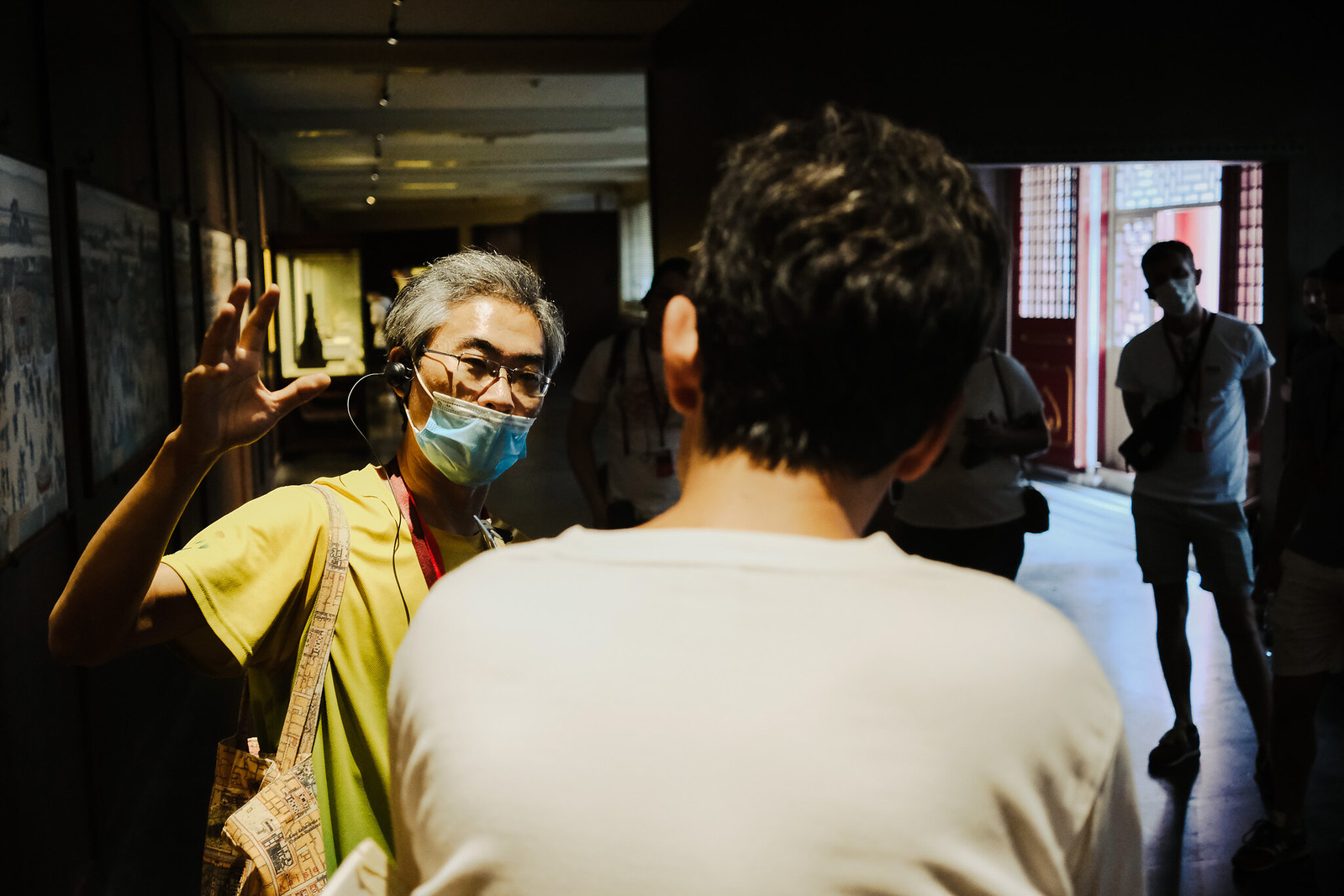
Despite all the difficulties, it was magnificent to see one of Beijing’s signature pieces of history, and to learn from a tour guide who both loves his job and is currently engaged in unearthing China’s fascinating history. We’ll definitely be back to the Forbidden City!

(Click on any picture below to launch the slideshow view and enjoy the photos!)

Photo of the Day: Arlington Window

One of the things I love about living in a high-rise apartment building is the play of the light across the cityscape. On this day, the shifting clouds gave us an ethereal little light show whose pattern may never be replicated. But seeing it once was special, and I’m grateful to have had the chance.

Exploring Georgetown

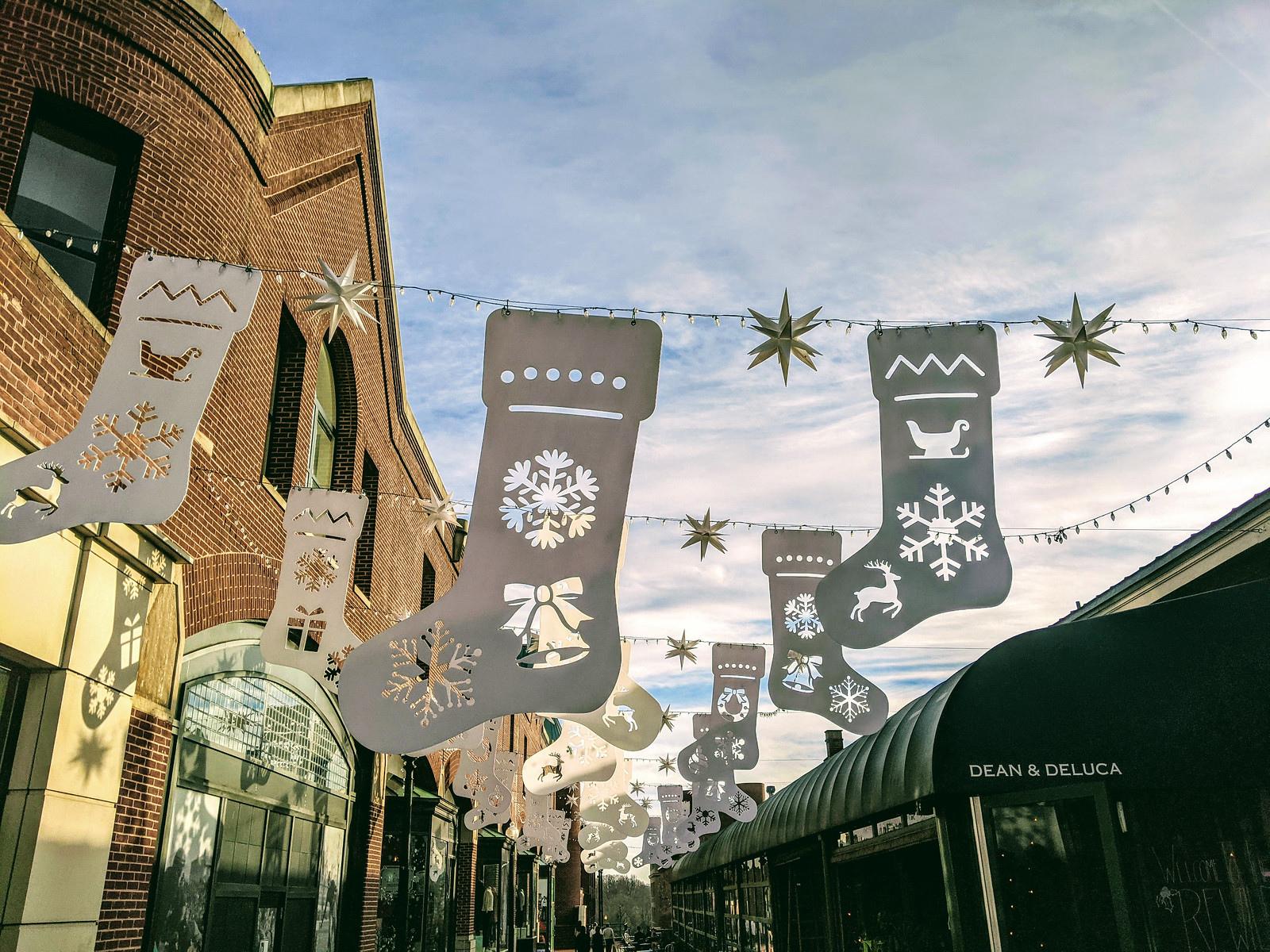
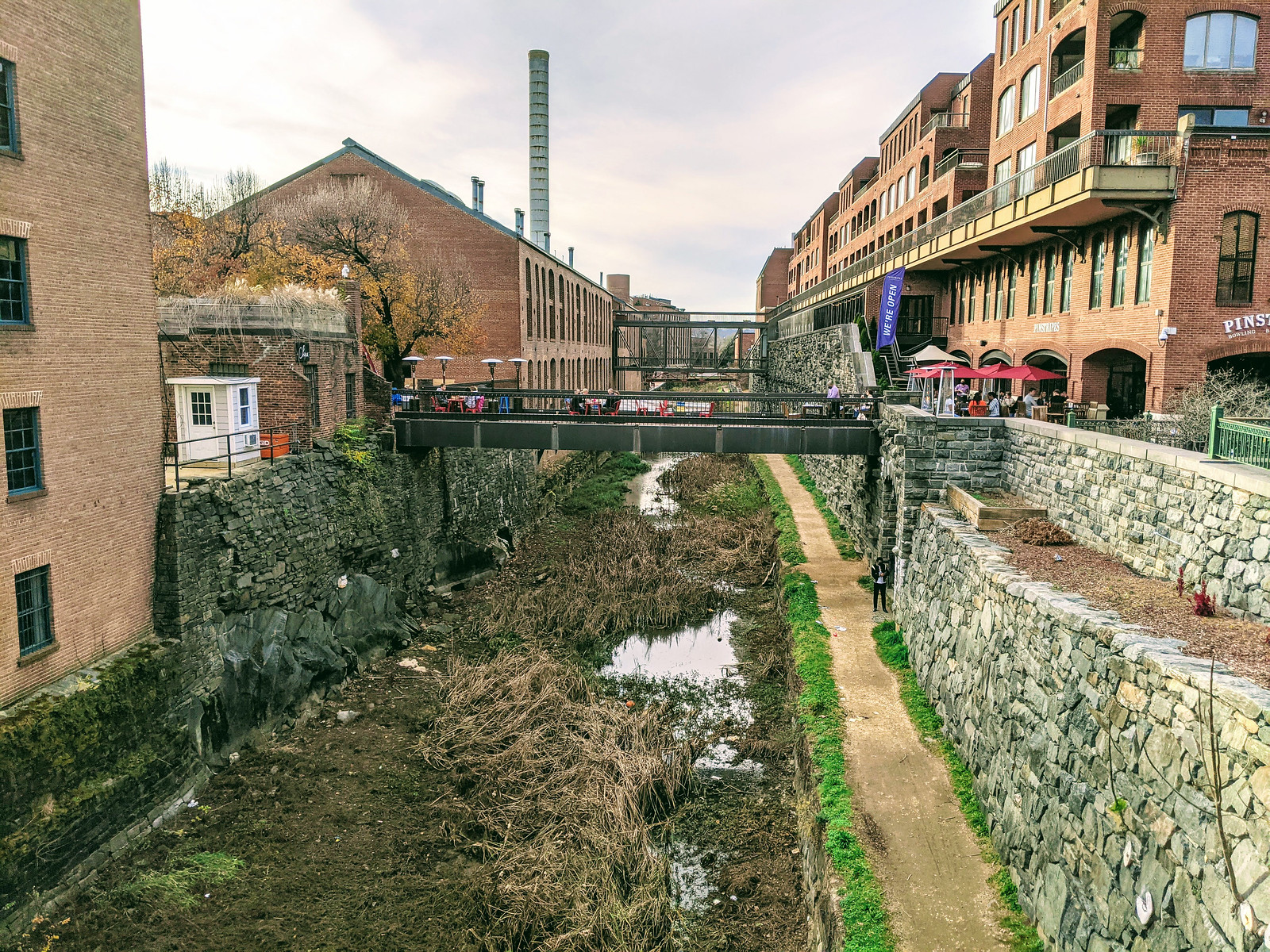
On Sunday, I took Caleb and Joshua to explore Georgetown. I promised magical staircases and secret doorways, and Georgetown delivered beautifully. We descended the stairs made famous in the end of the Exorcist (a story I omitted to tell the little boys), explored the campus of Georgetown University, and spent a lot of time walking along the riverfront.

There were a few too many people to be comfortable during a pandemic, but we kept our masks on and kept to ourselves.
The highlight for the boys was finding a labyrinth in the park. A labyrinth is supposed to be an Irish tool for spiritual reflection, but the boys had enormous fun playing with it as a maze. We even encountered a breakdancer who danced for us in the middle for a few moments.

At the end of the day, though, all the boys wanted to do was find a playground. We stopped at an empty playground by a church on the way home, and they were perfectly content.

The whole day reminded me that small adventures are still adventures.

Western Mass in the Fall

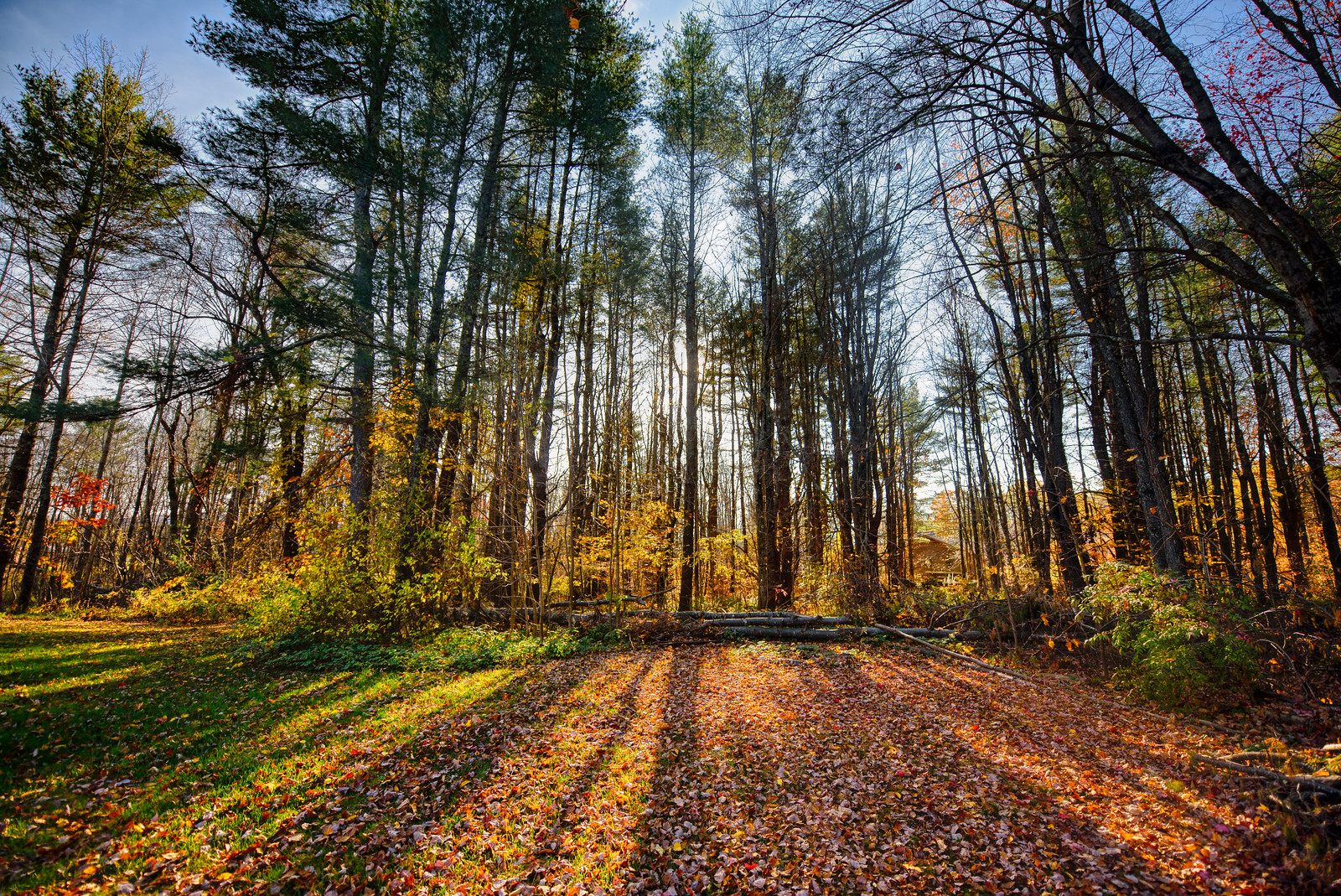
This fall, we had the chance to visit some very good friends out in Western Massachusetts. We were specifically in Mass because it’s beautiful there in the Fall. Thanks for hosting us, Tim and Rach! You live in such a beautiful spot!

The 3rd Battle of Winchester

Sometimes, Mom needs some quarantine quiet to get a little work done. What’s a housebound dad with few connections to do in the middle of a pandemic in rural Virginia? Take the kids to see Civil War battlefields, of course! I found the location of the 3rd Battle of Winchester and took the kids to see it this evening. It was good exercise, good time together, good to honor our past, good to connect with nature, good to slow down.